Apprendre l’histoire à Lyon - Bejenaru Alexandru - Eduard
Ma visite à Lyon a été une expérience vraiment inoubliable. Ce que j’ai le plus aimé, c’est le manque de bâtiments hauts dans les quartiers historiques, ce qui garde l’air pur et crée une atmosphère très agréable. J’ai été fasciné par l’architecture du « Vieux Lyon ». Au début, je pensais que le style semblait très ancien, presque hellénique, mais après avoir fait une petite recherche suite à ma promenade, j’ai appris qu’il s’agit d’un mélange d’héritage gallo-romain et de Renaissance italienne, de l’époque où Lyon était la capitale des Gaulois (43 av. J.-C.).
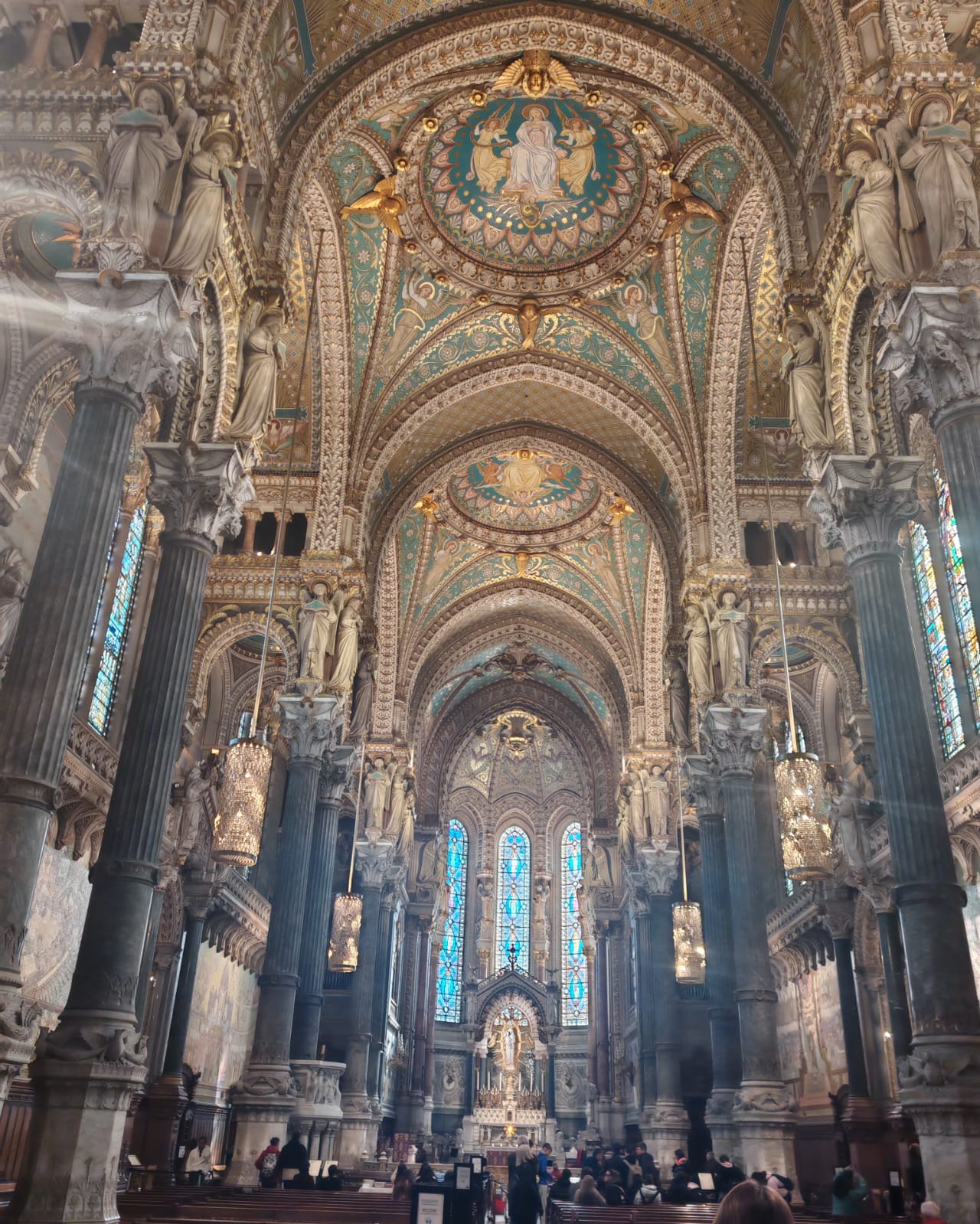
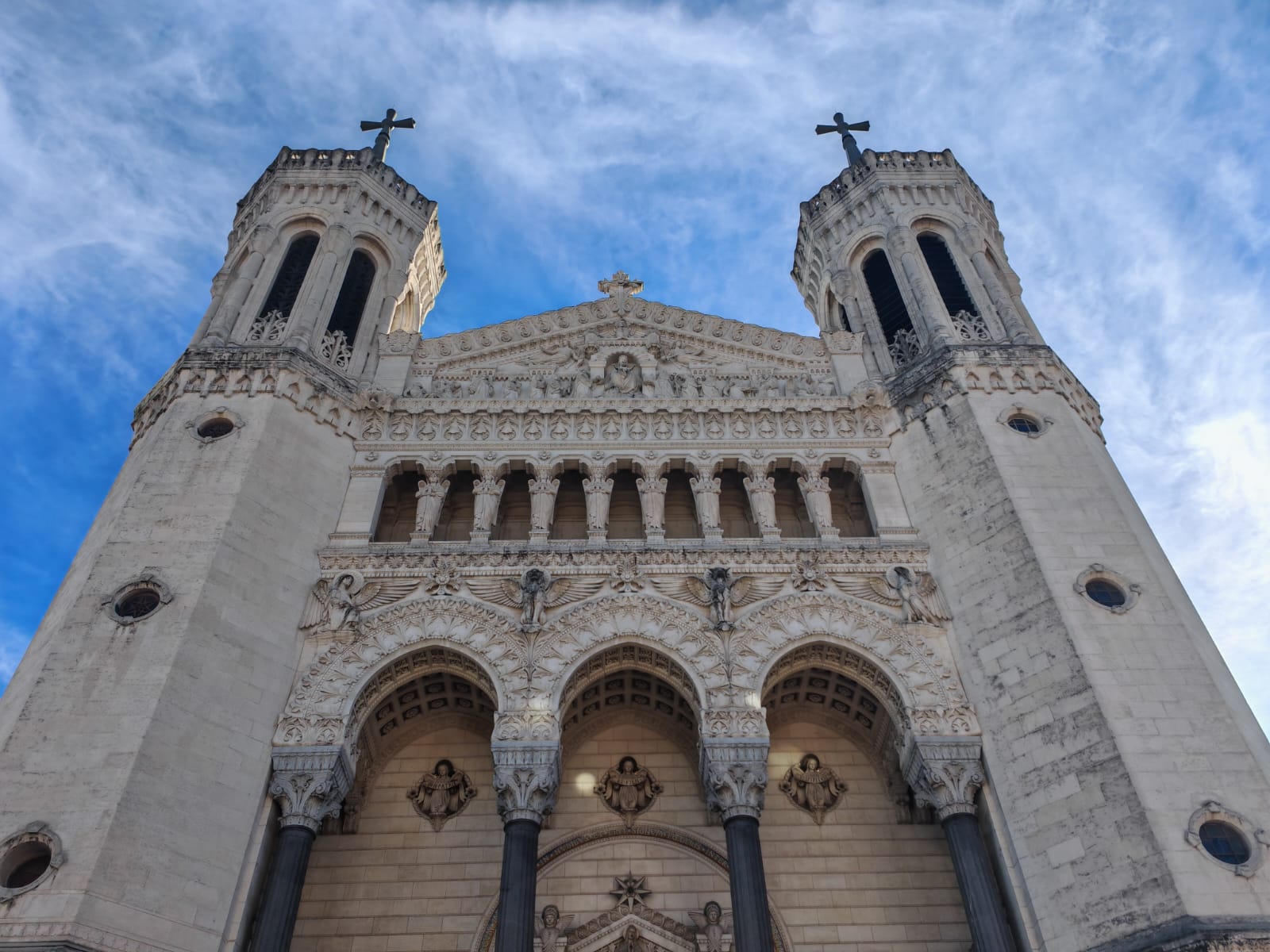
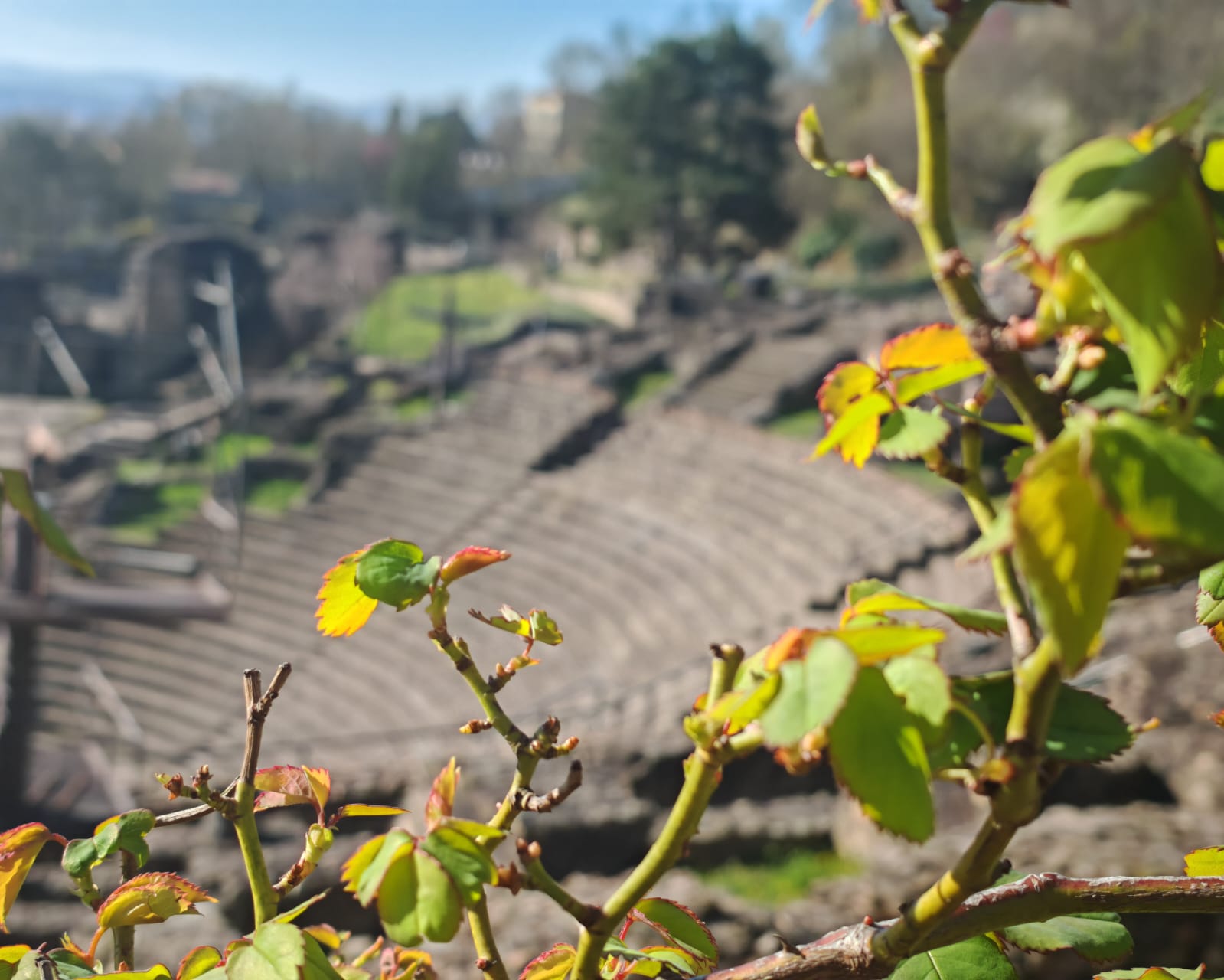
J’ai vu de nombreux monuments, mais le Théâtre Antique sur la colline de Fourvière est, à mon avis, le plus imposant d’entre eux. Il est frappant car il conserve un morceau d’histoire en parfait contraste avec la nature vivante qui l’entoure. À la proximité, la Basilique Notre-Dame de Fourvière et la Tour Métallique offrent un panorama à couper le souffle sur toute la ville. Cette vue m’a laissé une impression durable. C’était comme si j’étais entré directement dans un documentaire historique, voyant la ville à travers les yeux d’un voyageur découvrant ses secrets — ce que j’étais.
En descendant vers la Cathédrale Saint-Jean-Baptiste, je me suis senti entouré par le poids des siècles. Cependant, j’ai trouvé l’Institut Lumière particulièrement intéressant car il montre la vie de la bourgeoisie du XIXe siècle. Voir les intérieurs élégants et découvrir leur vie quotidienne m’a donné une image beaucoup plus claire de cette époque, au-delà de la simple invention du cinéma.
Selon moi, Lyon est une ville qui valorise profondément ses racines tout en maintenant une forte présence historique et contemporaine. Elle n’a pas besoin de gratte-ciel modernes pour être impressionnante, car son âme se trouve dans ses espaces ouverts et dans la beauté classique de ses pierres.
Learning History in Lyon
My visit to Lyon was a truly unforgettable experience. What I liked most was the lack of tall buildings in historic districts, which keeps the air fresh and creates a very pleasant atmosphere. I was fascinated by the architecture of “Old Lyon”. At first, I thought the style felt very ancient, almost Hellenic, but after I made a little research following the walk, I learned it is a blend of Gallo-Roman heritage and Italian Renaissance, from when Lyon was the capital of the Gauls (43 BC).
I have seen many landmarks, but the Ancient Theatre on the Fourvière hill is, in my opinion, the most imposing of them. It is striking because it manages to keep a piece of history in perfect contrast with the lively nature surrounding it. Nearby, the Basilica of Notre-Dame de Fourvière and the Metallic Tower offer a breathtaking panorama of the entire city. The view left a lasting impression on me. It felt as if I had stepped right into a history documentary, seeing the city through the eyes of a traveler discovering its secrets - which I was.
Walking down to the Cathédrale Saint-Jean-Baptiste, I felt surrounded by the weight of centuries. However, I found the Lumière Institute especially interesting because it shows the life of the bourgeoisie from the 19th century. Seeing the elegant interiors and learning about their daily lives gave me a much clearer picture of that era beyond just the invention of cinema.
From my point of view, Lyon is a city that deeply values its roots while maintaining a strong historical and contemporary presence. It doesn’t need modern skyscrapers to be impressive, because its soul is found in its open spaces and the classical beauty of its stones.