Tourismus und Nachhaltigkeit: Ein Gleichgewicht in Hamburg finden
Hamburg, die grüne Metropole am Wasser, zieht jährlich Millionen von Besuchern an. Doch wie gelingt es einer der größten deutschen Städte, den Massentourismus mit dem Umweltschutz in Einklang zu bringen? Während meines unvergesslichen Erasmus-Aufenthalts in dieser faszinierenden Stadt konnte ich selbst hautnah erleben, wie ein solches Gleichgewicht im urbanen Alltag erfolgreich funktioniert.
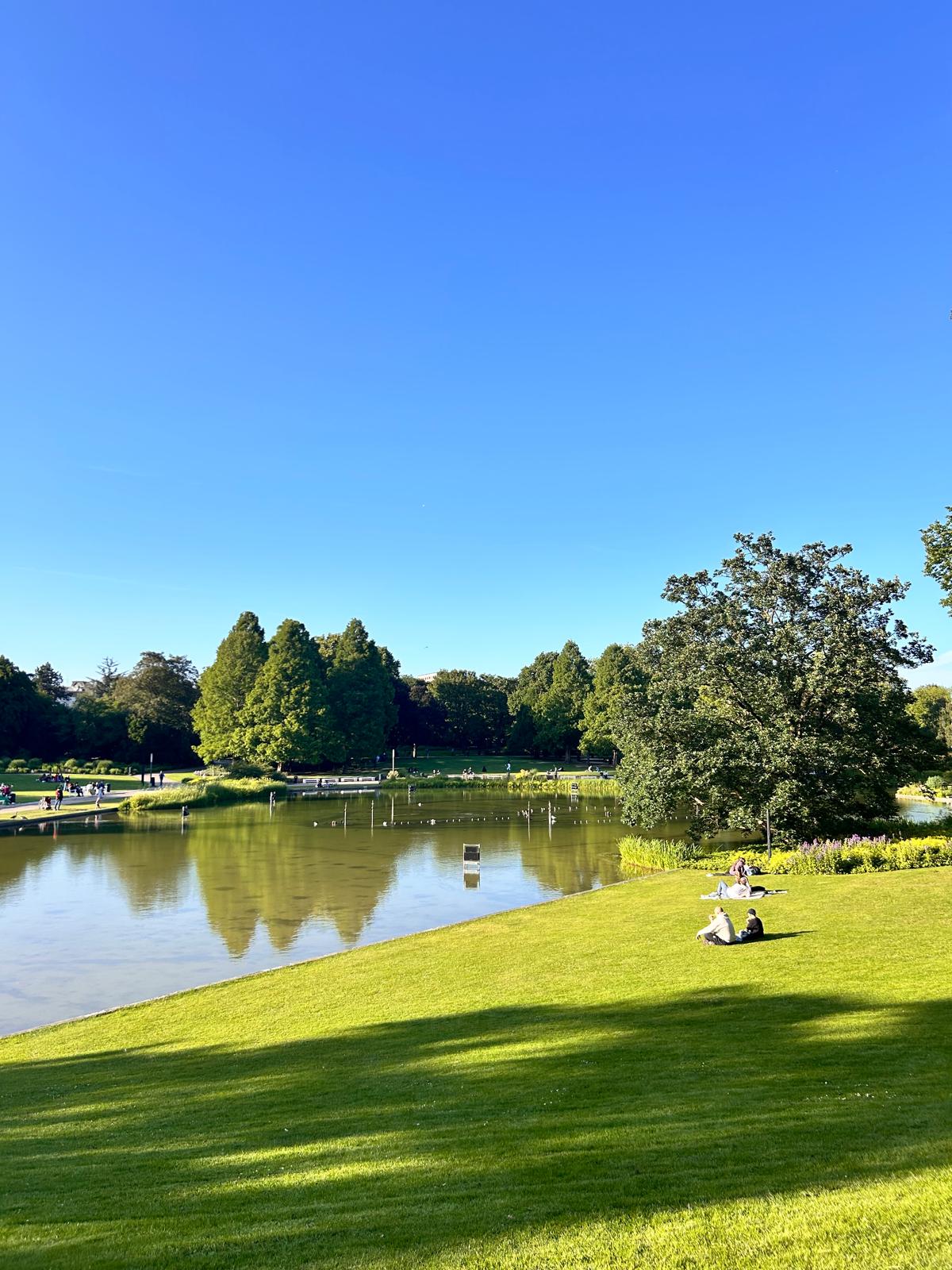
Als ich zum ersten Mal durch die Straßen Hamburgs zog, fiel mir sofort die angenehme, entspannte Atmosphäre auf. Trotz der enormen Größe der Stadt gab es überraschend wenig Verkehrslärm oder stressige Staus. Ein Hauptgrund dafür ist das hervorragend ausgebaute, sichere Netz für Fußgänger und Radfahrer. Es war absolut beeindruckend zu sehen, wie tief die Fahrradkultur hier verwurzelt ist. Sogar an der Schule, die ich besuchte, kamen fast alle Schüler und Lehrer morgens gut gelaunt mit dem Fahrrad an. Die breiten Radwege machen den täglichen Schulweg zu einem grünen Erlebnis.
Ein weiterer Aspekt, der meine Aufmerksamkeit erregte, war die hohe Anzahl an modernen Elektrofahrzeugen. Ob die Busse des öffentlichen Nahverkehrs, Taxis oder ganz normale Autos – Hamburg setzt konsequent auf Elektromobilität. Dies sorgt für spürbar sauberere Luft in den wunderschönen historischen Vierteln wie der bekannten Speicherstadt.
Meiner Meinung nach zeigt Hamburg vorbildlich, dass urbaner Lebensraum, Tourismus und Nachhaltigkeit kein Widerspruch sein müssen. Wenn eine Stadt die richtige Infrastruktur bereitstellt, leben sowohl Einheimische als auch Gäste automatisch umweltbewusster. Meine Erasmus-Zeit hat mich tief geprägt, weil Hamburg beweist, dass eine moderne Großstadt dynamisch und gleichzeitig im Einklang mit der Natur sein kann. Ein perfektes Modell, das als Inspiration für ganz Europa dienen sollte.
Tourism and Sustainability: Finding a Balance in Hamburg
Hamburg, the green metropolis by the water, attracts millions of visitors every year. But how does one of Germany’s largest cities manage to bring mass tourism into harmony with environmental protection? During my unforgettable Erasmus stay in this fascinating city, I was able to experience firsthand how such a balance successfully works in everyday urban life.
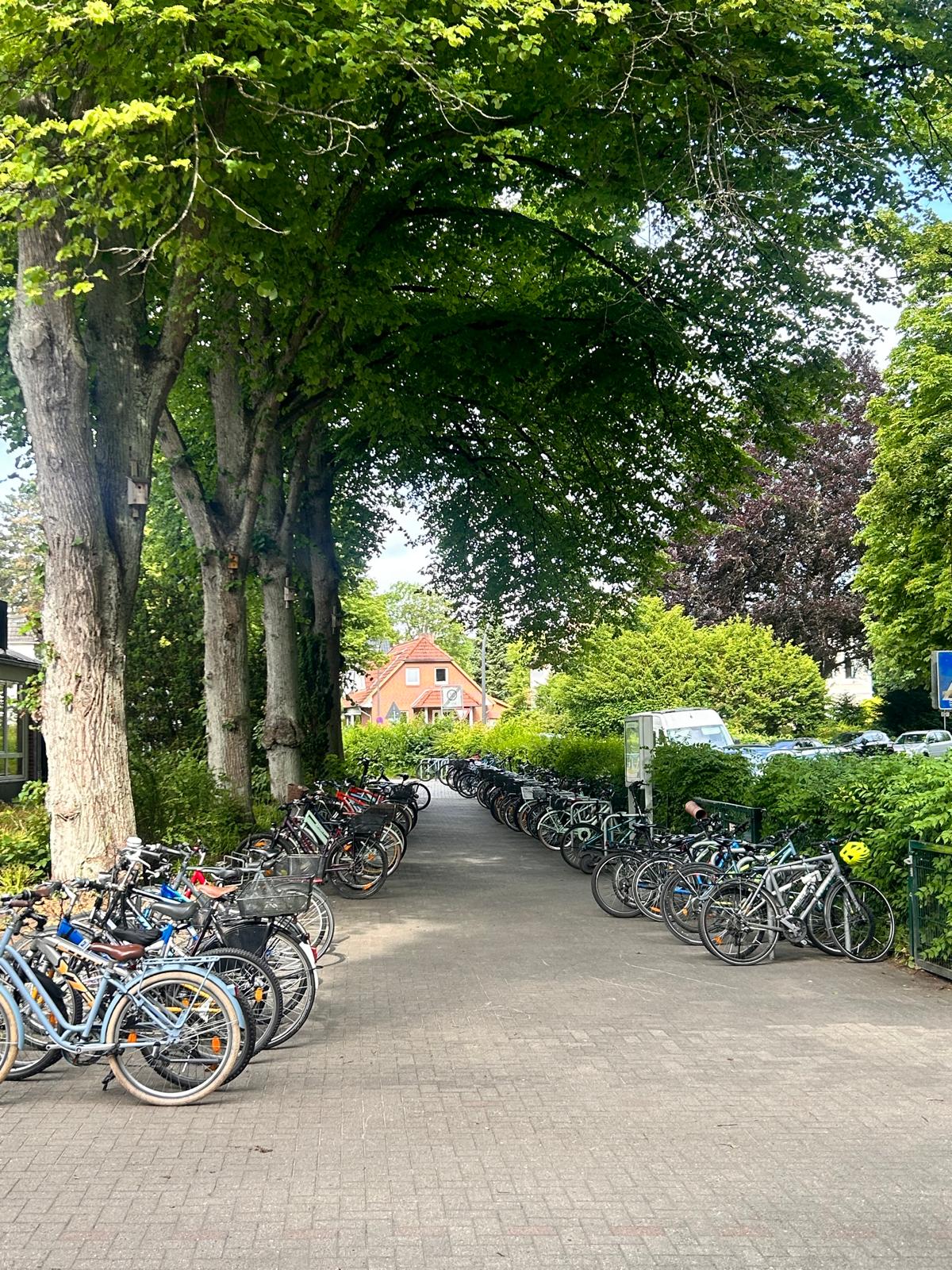
When I walked through the streets of Hamburg for the first time, I immediately noticed the pleasant, relaxed atmosphere. Despite the enormous size of the city, there was surprisingly little traffic noise or stressful traffic jams. A major reason for this is the excellently developed, safe network for pedestrians and cyclists. It was absolutely impressive to see how deeply rooted the bicycle culture is here. Even at the school I attended, almost all students and teachers arrived in the morning in a great mood by bike. The wide bike lanes turn the daily commute to school into a green experience.
Another aspect that caught my attention was the high number of modern electric vehicles. Whether public transport buses, taxis, or just normal cars – Hamburg consistently relies on electromobility. This ensures noticeably cleaner air in the beautiful historical districts, such as the famous Speicherstadt.
In my opinion, Hamburg shows in an exemplary way that urban living space, tourism, and sustainability do not have to be a contradiction. When a city provides the right infrastructure, both locals and guests automatically live more environmentally conscious. My Erasmus time deeply shaped me because Hamburg proves that a modern big city can be dynamic and, at the same time, in harmony with nature. A perfect model that should serve as an inspiration for all of Europe.