Die Hanseatische Liga und die architektonische Geschichte Hamburgs
Hamburg ist eine der wichtigsten Städte Deutschlands und besitzt eine lange und interessante Geschichte. Einen großen Einfluss auf die Entwicklung der Stadt hatte die Hanseatische Liga, ein Zusammenschluss von Kaufleuten und Städten im Mittelalter. Durch den Handel wurde Hamburg reich und entwickelte sich zu einem bedeutenden Hafen- und Handelszentrum in Europa.
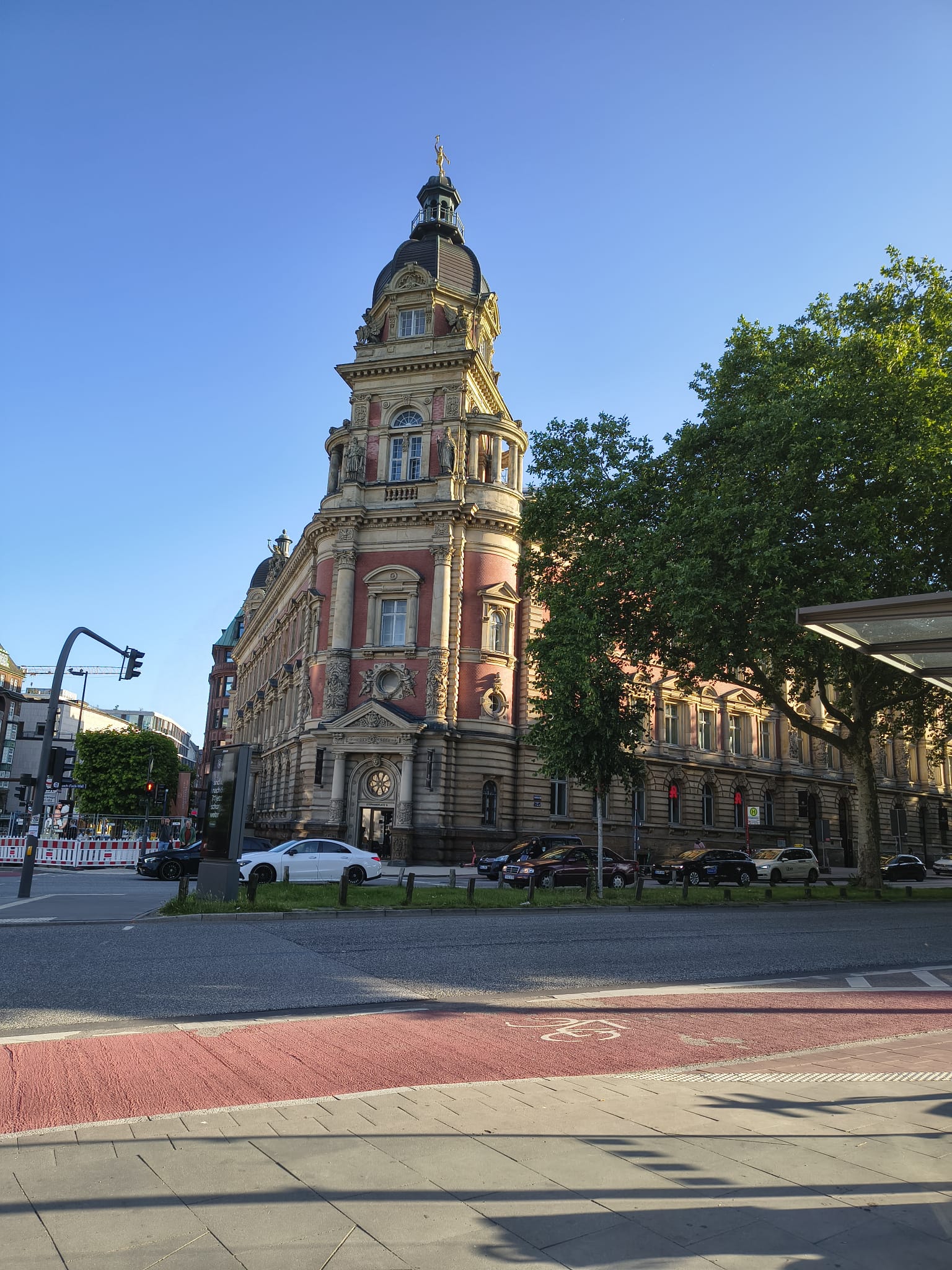
Die Hanseatische Liga entstand im 12. Jahrhundert und erreichte ihren Höhepunkt zwischen dem 13. und 15. Jahrhundert. Hamburg profitierte von seiner günstigen Lage an der Elbe und vom Zugang zur Nordsee. Die Stadt handelte mit Waren wie Getreide, Fisch, Salz und Stoffen. Der wirtschaftliche Erfolg führte dazu, dass viele Gebäude, Lagerhäuser und öffentliche Einrichtungen gebaut wurden.
Die Architektur Hamburgs spiegelt diese Geschichte wider. Besonders bekannt ist die Speicherstadt, der größte historische Lagerhauskomplex der Welt. Die Gebäude aus rotem Backstein wurden Ende des 19. Jahrhunderts errichtet und dienten zur Lagerung von Waren aus aller Welt. Heute gehört die Speicherstadt zum UNESCO-Weltkulturerbe und ist eine der beliebtesten Sehenswürdigkeiten der Stadt.
Ein weiteres wichtiges Bauwerk ist das Hamburger Rathaus. Es wurde im neorenaissance Stil erbaut und zeigt den Wohlstand und die Bedeutung der Stadt. Mit seiner beeindruckenden Fassade und den zahlreichen Verzierungen gehört es zu den schönsten Gebäuden Hamburgs.
Auch moderne Architektur spielt in Hamburg eine wichtige Rolle. Ein bekanntes Beispiel ist die Elbphilharmonie. Das Gebäude verbindet einen historischen Backsteinspeicher mit einer modernen Glasstruktur und symbolisiert die Verbindung von Tradition und Innovation.
Die Geschichte der Hanseatischen Liga ist bis heute in Hamburg sichtbar. Viele Gebäude erinnern an die Zeit des Handels und der wirtschaftlichen Blüte. Gleichzeitig entwickelt sich die Stadt ständig weiter und verbindet historische Bauwerke mit moderner Architektur. Dadurch besitzt Hamburg ein einzigartiges Stadtbild, das Besucher aus aller Welt begeistert.
Zusammenfassend kann man sagen, dass die Hanseatische Liga einen entscheidenden Einfluss auf die Entwicklung Hamburgs hatte. Der Handel brachte Wohlstand, der sich in zahlreichen architektonischen Meisterwerken widerspiegelt. Hamburg ist deshalb ein hervorragendes Beispiel dafür, wie Geschichte und Architektur miteinander verbunden sind.
The Hanseatic League and the Architectural History of Hamburg
Hamburg is one of the most important cities in Germany and has a long and fascinating history. One of the greatest influences on the city's development was the Hanseatic League, an alliance of merchants and cities during the Middle Ages. Through trade, Hamburg became wealthy and developed into a major port and commercial center in Europe.
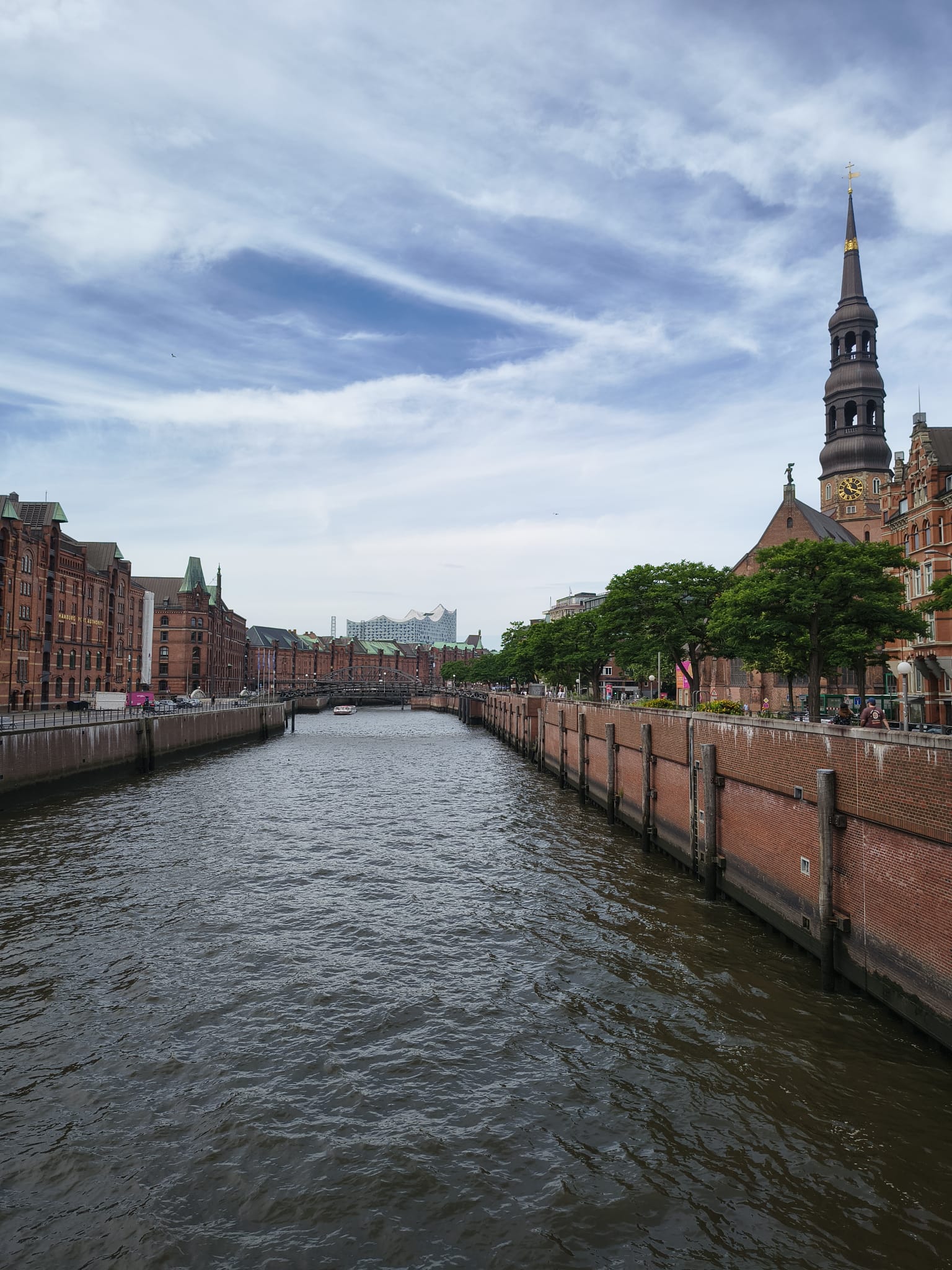
The Hanseatic League was founded in the 12th century and reached its peak between the 13th and 15th centuries. Hamburg benefited from its favorable location on the Elbe River and its access to the North Sea. The city traded goods such as grain, fish, salt, and textiles. This economic success led to the construction of many buildings, warehouses, and public institutions.
The architecture of Hamburg reflects this rich history. One of the most famous landmarks is the Speicherstadt, the largest historic warehouse district in the world. The red-brick buildings were constructed in the late 19th century and were used to store goods from all over the world. Today, Speicherstadt is a UNESCO World Heritage Site and one of Hamburg’s most popular attractions.
Another important building is Hamburg City Hall (Rathaus). Built in the Neo-Renaissance style, it demonstrates the wealth and importance of the city. With its impressive façade and numerous decorative details, it is considered one of the most beautiful buildings in Hamburg.
Modern architecture also plays an important role in Hamburg. A well-known example is the Elbphilharmonie. This building combines a historic brick warehouse with a modern glass structure, symbolizing the connection between tradition and innovation.
The history of the Hanseatic League can still be seen throughout Hamburg today. Many buildings remind visitors of the city's period of trade and economic prosperity. At the same time, Hamburg continues to develop, combining historical architecture with modern design. As a result, the city has a unique appearance that attracts visitors from around the world.
In conclusion, the Hanseatic League had a decisive influence on the development of Hamburg. Trade brought prosperity, which is reflected in numerous architectural masterpieces. Hamburg is therefore an excellent example of how history and architecture can be closely connected.